
Seamless Calcium Iron Cored Wire
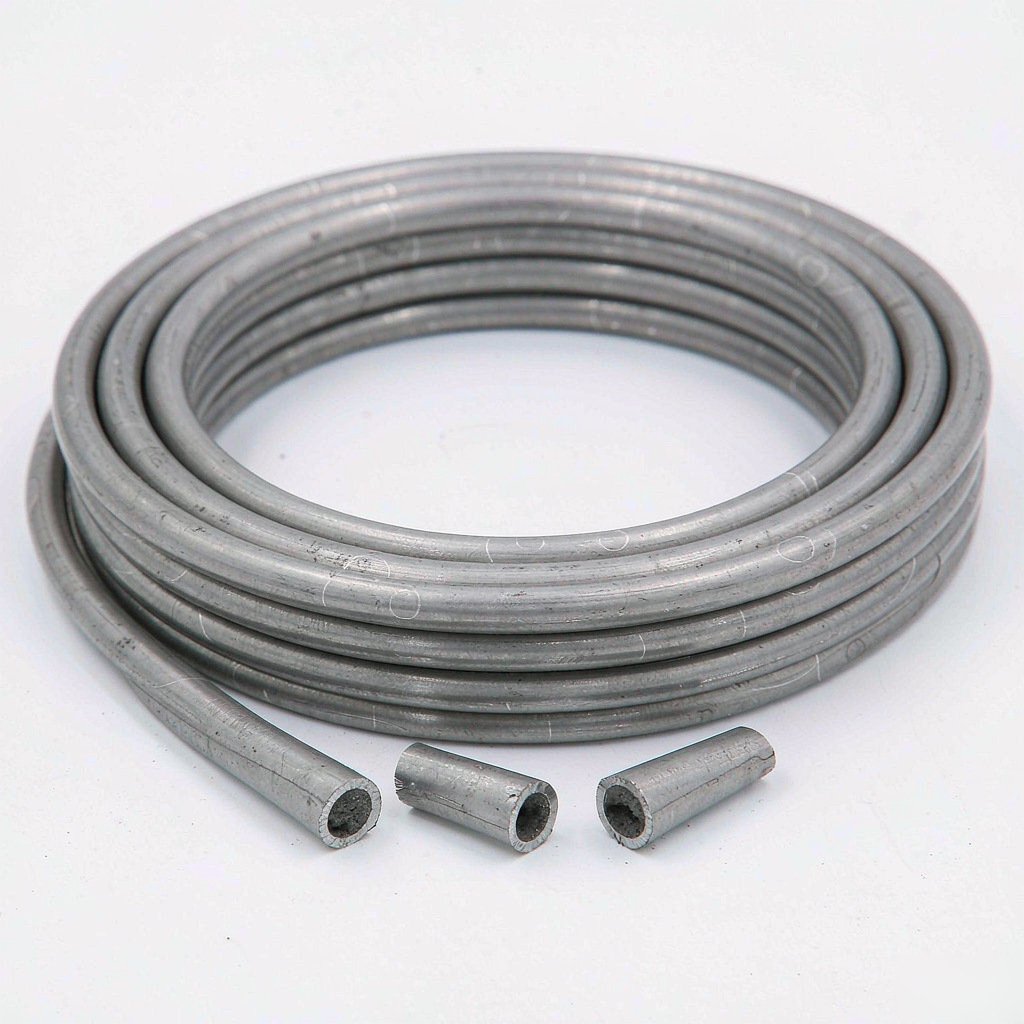
<p>A seamless calcium-iron cored wire for stable feeding and controlled calcium addition with lower leakage and oxidation.</p>
- Grade
- Seamless CaFe Wire
- Also Known As
- Seamless Calcium Iron Wire
- Product Tier
- Fully Custom
- Physical Form
- Wire
Product Information
Technical Overview
A seamless calcium-iron cored wire for stable feeding and controlled calcium addition with lower leakage and oxidation.
Product Highlights
- Calcium-iron core moderates the reaction for higher feeding rates
- Seamless sheath limits leakage and oxidation of the core
- Moisture-barrier packing to protect the core in transit and storage
Reference Technical Parameters
| Parameter | Typical / Reference Value | Unit |
|---|---|---|
| Wire diameter | Ø9–13 mm | mm |
| Sheath type | Seamless steel strip, no overlap seam | — |
| Core material | Calcium iron powder, Ca 25–35% | — |
| Core ratio | 200–300 | g/m |
| Coil weight | 500–1,500 | kg |
Physical Form & Supply
| Form | wire |
|---|---|
| Particle Size / Dimension | Coil inner diameter 400–600 mm |
| Packaging | Steel frame coils 500–1,500 kg/coil; Moisture barrier wrap per coil |
| MOQ | 3 metric tons; trial coils negotiable |
| Lead Time | 20–30 days after technical confirmation |
| Supply Mode | Made to order |
Applications
Suited to ladle metallurgy where consistent core recovery is required and a moderated calcium reaction is preferred.
Technical Notes
The calcium-iron core gives a moderated, less violent reaction than pure calcium, which suits higher feeding rates.
The values above are product-reference data for technical evaluation. Final acceptance criteria follow the signed specification, contract and batch MTR.
Product Reference
Specifications And Supply Details
- Specification Notes
- <p>The calcium-iron core gives a moderated, less violent reaction than pure calcium, which suits higher feeding rates.</p>
- Customization
- Available
Applications
- Steelmaking
- Cast Steel
- Foundry
<p>Suited to ladle metallurgy where consistent core recovery is required and a moderated calcium reaction is preferred.</p>